Elon Musk says Cybertruck output at Tesla's Texas plant winds down around mid-2027 to make room for Cybercab. What is confirmed and what owners should know.
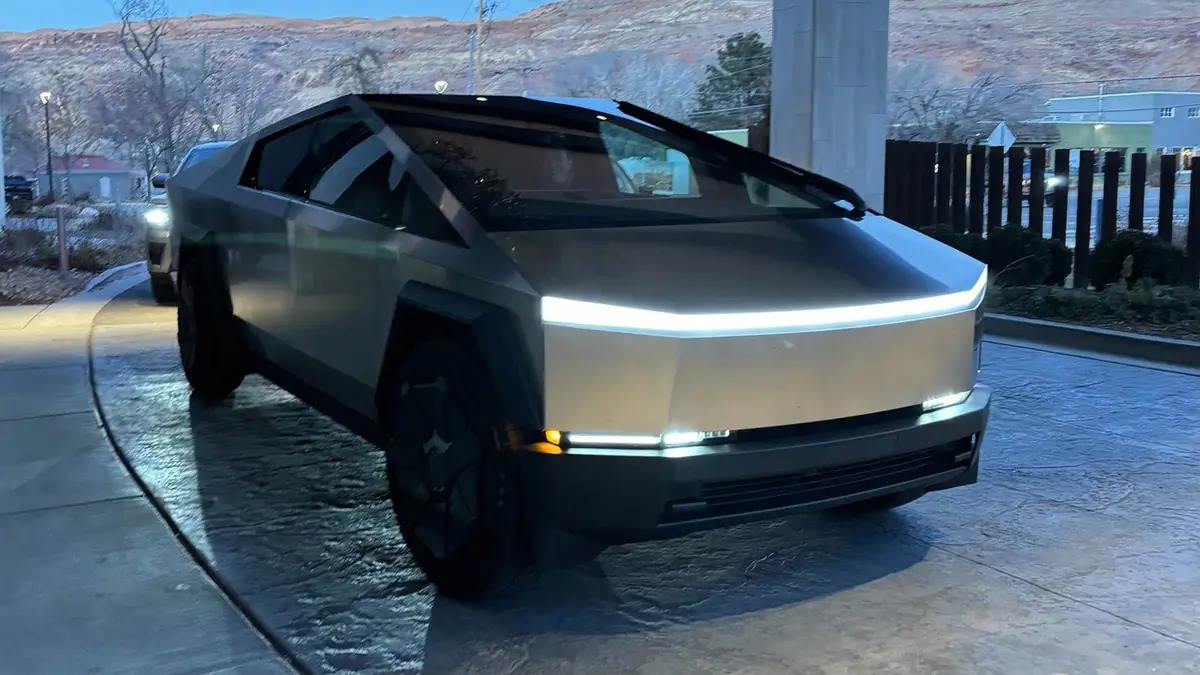
Tesla is going to stop building the Cybertruck at its Texas factory. CEO Elon Musk said in a post on X on Friday, Nov. 6, 2026, that production will "wind down" around the middle of 2027 so the plant can make more Cybercab robotaxis, according to reports from The Verge, TechCrunch and Engadget. Anyone thinking about buying a Cybertruck now has roughly eight months of normal production left to plan around, and Tesla has not said what happens after that.
Is Tesla ending the Cybertruck for good?
Not officially, at least not yet. Musk's post says production at the Austin, Texas Gigafactory will wind down to make room for increased Cybercab output. Engadget notes that he did not say whether the truck would be discontinued altogether, and The Verge points out that the Texas plant is the only Tesla facility known to build it. Moving the truck to another factory would be hard, The Verge says, because the plant is equipped to make its specialized parts.
TechCrunch's headline goes further and says Tesla "will stop making the Cybertruck in 2027." That is a fair reading of the post, but it is still a reading. Until Tesla spells out what happens after mid-2027, we would treat "ending" as the likely outcome and not as a confirmed one.
How many Cybertrucks has Tesla sold, and at what price?
Tesla does not report Cybertruck sales on their own. The Verge says even the highest analyst estimates land at roughly 70,000 deliveries since 2023, and Engadget puts the figure at around 71,000. Both are estimates, not Tesla numbers. For comparison, Musk once predicted Tesla would sell about 250,000 a year, according to TechCrunch and The Verge.
The price story is just as lopsided. When the truck was unveiled in November 2019, Tesla talked about a starting price under $40,000 (Engadget says $39,900) and up to 500 miles of range, according to TechCrunch. Engadget reports the cheapest version eventually listed at $59,900, and TechCrunch says top-end range shrank by more than 100 miles from the original promise. The truck also reached customers about two years late, in late 2023.
What is replacing it at the Texas plant?
The Cybercab, Tesla's two-seat robotaxi with no steering wheel or pedals. TechCrunch reports Tesla has spent about two months putting Cybercabs on the streets of Austin with no major incidents so far, and plans to expand to other cities, starting with Dallas later in November. Tesla also runs robotaxi service with Model Y SUVs in Austin, Houston and Dallas and in three Florida cities, per the same report.
It is not the first product to make way. TechCrunch says Tesla ended the Model S sedan and Model X SUV earlier this year and is using that space for Optimus humanoid robots. Engadget adds a caution: the Cybercab is under a federal investigation, so its success is not guaranteed.
What is confirmed and what is not?
- Confirmed by Musk's post: Cybertruck production at the Texas Gigafactory will wind down around mid-2027 to make room for more Cybercabs.
- Not confirmed: whether production moves elsewhere, whether the truck is fully discontinued, and what the final build date is.
- Not addressed in the reports we read: how this affects current orders, pricing, warranty coverage or service for existing owners.
- Estimates, not Tesla figures: roughly 70,000 to 71,000 Cybertrucks sold since 2023.
What should Cybertruck owners and shoppers do?
If you already own one, nothing changes today. Nothing in the three reports suggests Tesla is pulling support for trucks already on the road, though we would not call that a guarantee, since Tesla has not published anything on it. If you are shopping, check the order page on Tesla's own site for current pricing and delivery estimates before you commit, and ask directly about service coverage if you plan to keep the truck long term.
One more practical point: a discontinued vehicle can be a bargain or a headache, depending on parts availability, and no one can say yet which it will be here.
Our take
This is analysis, not reporting. The Cybertruck was supposed to be the vehicle that defined Tesla's next decade, and instead it is being shown the door to free up floor space for a robotaxi. We think that says more about where Tesla wants to spend its factory hours than about the truck itself. The company is betting on autonomy and robots, and a niche, expensive pickup does not fit that story. The bet could still go wrong, given the federal scrutiny of the Cybercab that Engadget mentions, so the truck's retirement is a gamble on something unfinished.
Related reading
Picture credit: Photo: A1C6 (CC0, via Wikimedia Commons)