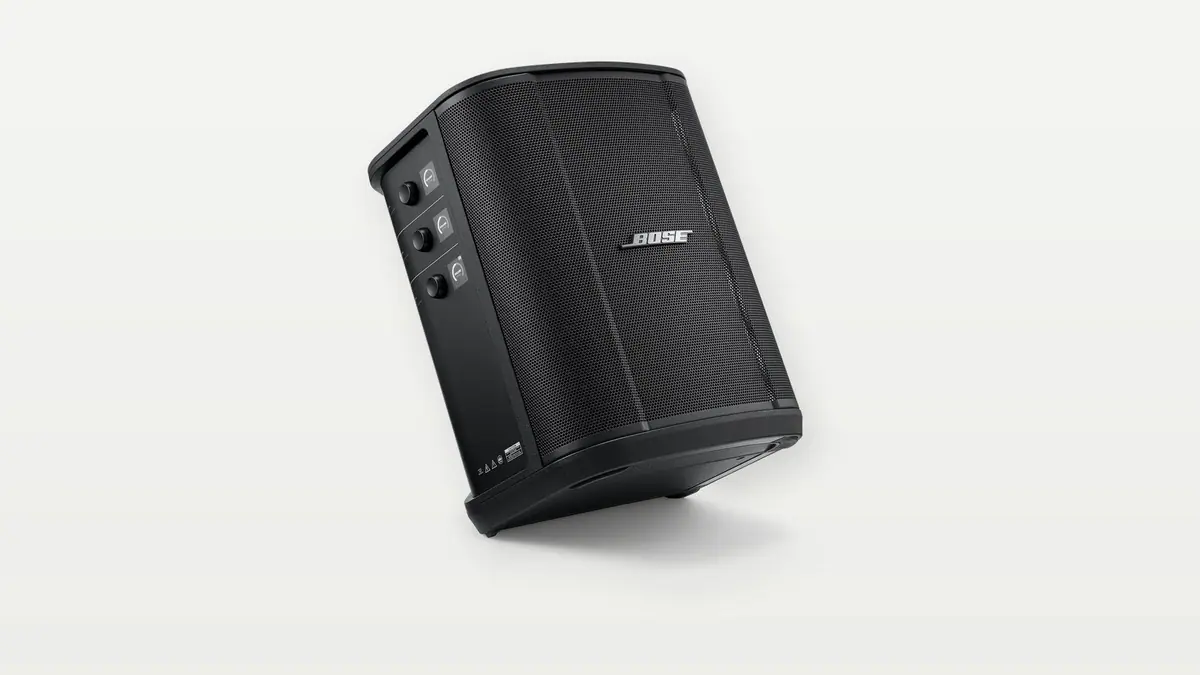
Bose is recalling about 634,759 S1 Pro and S1 Pro+ battery packs in the U.S. Here are the serial prefixes, how to check yours and how to get a free pack.
As of Nov. 6, 2026, Bose is recalling about 634,759 lithium-ion battery packs in the United States that were sold with, or for, its S1 Pro and S1 Pro+ portable Bluetooth speaker systems. The U.S. Consumer Product Safety Commission announced the recall on Thursday, Nov. 5, saying the packs can overheat and ignite. Not every pack is affected, and checking yours takes a screwdriver and about five minutes.
Is my Bose S1 Pro battery part of the recall?
Only if the 17-digit serial number on the battery pack begins with one of seven six-digit codes: 083723, 078352, 084105, 078591, 078592, 084106 or 086409. Bose says a pack that does not start with one of those is not part of the recall and is safe to keep using.
The serial number is on the pack, not on the speaker, and the two are different numbers. Bose's recall page tells owners to power the system off and unplug it, loosen the two screws on the bottom plate, remove the plate, and pull the battery out with its tabs. The 17 digits are printed below the bar code on the pack's label. Write them down, because you will need them to ask for a replacement.
One more catch from Bose: some S1 Pro systems were sold without a battery. If you bought a Bose pack later as an accessory, check that one too.
What did the CPSC say went wrong?
According to the CPSC notice, Bose has received seven reports of the packs melting, producing smoke or catching fire. Six of those involved property damage. No injuries have been reported. Engadget notes the recall also covers about 35,400 packs sold in Canada, which brings the total past 670,000.
The recall covers packs sold from December 2017 through July 2026 at Bose, Best Buy, Amazon.com, Walmart.com and other stores and sites. Replacement or standalone packs cost between $100 and $160, and the full speaker systems with a pack inside sold for about $700. Health Canada's separate notice says the risk comes from the cells being exposed to damaging operating conditions as the packs age, which fits the long sales window.
What should I do right now?
Stop using the battery and take it out of the speaker. The CPSC says the speaker itself can keep running while it is plugged into wall power with no battery installed, so a gig, a classroom or a backyard party does not have to be canceled. You just lose the portable part.
Then enter the pack's serial number on Bose's recall page to request a free replacement. Bose notes that online requests are not available in every region, so if the form does not load, use the company's support contact page.
Do not put the recalled pack in the trash, in curbside recycling or in the drop-off boxes for used batteries at stores. The CPSC says recalled lithium-ion batteries carry a greater fire risk and should go to a municipal household hazardous waste center. Call ahead, because some centers do not take them, and ask your city or county for guidance if yours says no.
What we make of it
This is our analysis, not a finding from the CPSC. Seven incidents across more than 630,000 packs is a small rate, and the agency reports no injuries. But a battery that lives in a bag, a car trunk or a hot van between shows is the kind of product where a rare failure can still do real damage. If your pack matches a listed prefix, the free replacement is worth chasing now rather than after the holidays, when requests are likely to pile up.
Two things are still unclear from the public notices. Neither the CPSC nor Bose says how long replacements will take to arrive, and neither says whether stock for the remedy is ready. If you rely on the speaker for work, plan to run it from AC power in the meantime.
Related reading
Picture credit: Bose