Sean Duffy says a copper-to-fiber upgrade and a router flooding the network caused the Nov. 13 FAA ground stop. What we know, flight impact and what is unknown.
Transportation Secretary Sean Duffy said on Saturday, Nov. 14, that Friday's nationwide FAA ground stop traced back to a copper-to-fiber upgrade at a remote FAA facility, where a newly installed router overloaded the air traffic control network, according to The Verge and TechCrunch. The cause of the router's behavior is still unknown. Duffy said it could be faulty hardware, a misconfigured router or "incompetence" by the contractor, L3Harris.
The FAA says it has found no sign of a cyberattack or an AI problem. If you are flying this week, the aftershocks are still the bigger story.
What caused the FAA ground stop on Nov. 13?
At a Saturday news conference, Duffy described the work as "routine maintenance," per The Verge. An old copper line was being retired and replaced with fiber optic cable. TechCrunch quotes him as calling it "pretty straightforward work" at "a very remote location."
After the switch, the FAA's acting chief technology officer, Rebecca Guy, said two places were "pinging" the network at a very high rate, about a thousand connection attempts every four to five seconds, according to TechCrunch. The Verge says that flood disrupted radar feeds and communication with planes. Guy said the FAA disabled both sources right away and stabilized the network, and it is now doing a root-cause analysis.
FAA Administrator Bryan Bedford said the agency sees "zero evidence of anything nefarious and zero evidence of anything AI-related," per TechCrunch. The stop came a day after the FAA announced an expanded AI tool for air traffic management, which is why the question was asked.
How long did the ground stop last, and how many flights were hit?
Ars Technica reports the stop began at 3:36 p.m. ET on Friday, when Duffy announced it on X, citing a "communication issue impacting all Air Route Traffic Control Centers." Ars says domestic takeoffs were cleared at 8:35 p.m. ET. Yahoo Sports, in a separate report, puts the lifting at 7:15 p.m. CT, which would be 8:15 p.m. ET, so sources differ slightly on the exact minute. ESPN says the stop lasted more than four hours.
The damage ran well past that. TechCrunch, citing aviation data firm Cirium, says more than 8,200 flights were canceled on Friday evening and at least 3,000 more on Saturday. Ars reports that over a million travelers were affected and that Air Canada canceled all U.S. flights for the evening.
It was only the third nationwide ground stop the FAA has ordered. Ars says the first came during the Sept. 11, 2001, attacks and the second, lasting under two hours, on Jan. 11, 2023, after a notice-system outage.
Why did flights stay disrupted after the stop ended?
Because crews and planes were out of position. Yahoo Sports reports that pilot duty limits of 10 hours hit thousands of flights after the ground stop, and Ars says airlines moved quickly to cancel later departures. The knock-on effects reached beyond airports: ESPN reports several college football teams had trouble traveling, and one game, Ole Miss at Oklahoma, was moved to Sunday.
What should travelers do now?
- Check your flight in your airline's app before you leave for the airport, since cancellations continued into the weekend.
- Expect crowded rebooking lines and full flights early in the week. That is our read, based on the number of canceled flights, not an official forecast.
- If your trip is flexible, ask your airline what change options it is offering. We have not seen any airline policy details in the reporting we read, so we are not listing any.
What is still unknown?
- Whether the router was faulty, misconfigured or installed incorrectly. Duffy has not said, and the FAA's analysis is ongoing.
- Whether other sites doing the same upgrade could fail the same way. L3Harris says in a statement that it has completed more than 70 percent of the planned conversion from copper to fiber, and that it is supporting the FAA's investigation.
- When the next such work will happen. Duffy said "there will be reevaluation of when we do this work," after being asked why it was done at 3 p.m. on a Friday. He said remote switchovers happen during the day, while those at big airports take place late at night.
Our take
This is opinion. The explanation is plain enough and oddly small: one remote link, one router and a whole country's departures on hold. Ars quoted Duffy warning that, without major system updates, there will be "more of these." That is a statement from an official who wants more modernization money, so weigh it that way, but the underlying fact stands. A nationwide system should not be able to stop on a single misbehaving device. We would watch for the FAA's root-cause report.
Related reading
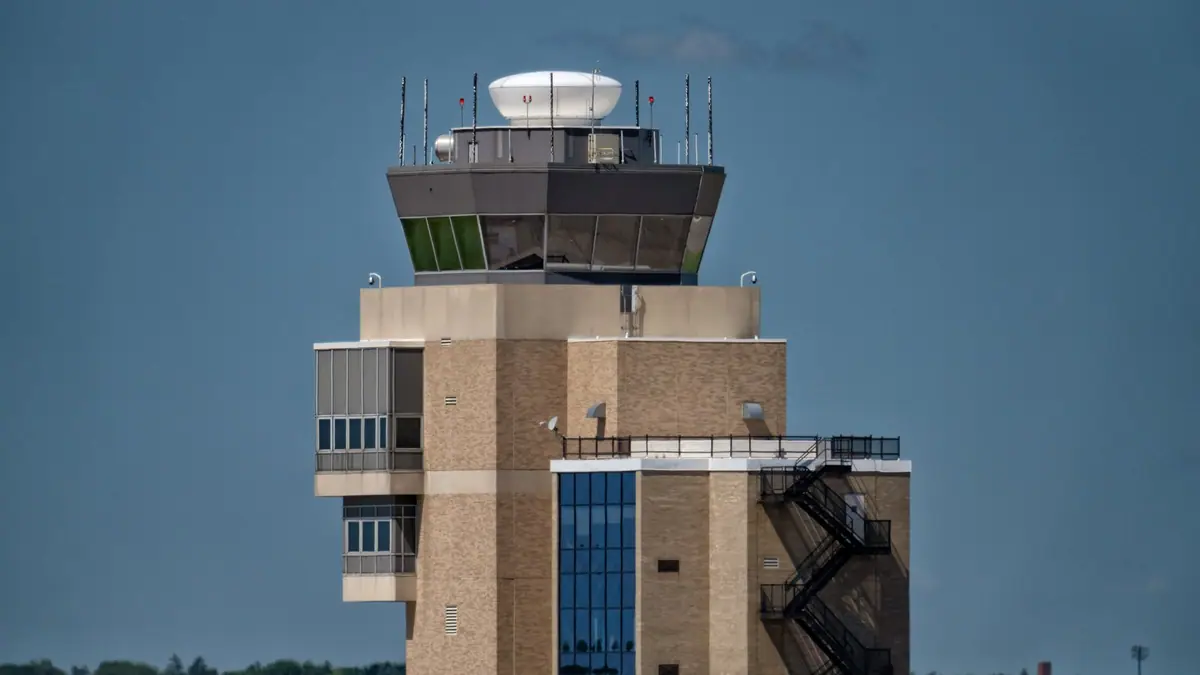
Picture credit: Photo: Tony Webster (CC BY-SA 2.0), file photo