FEMA and the FCC test the Emergency Alert System at 2:20 p.m. ET today, Nov. 17. Here is what you'll hear, what's covered and the Dec. 3 backup date.
FEMA and the FCC will run a nationwide test of the Emergency Alert System at 2:20 p.m. ET today, Tuesday, Nov. 17, 2026 (11:20 a.m. PT). Radio and TV programming will be interrupted for about one minute, according to The Verge. The test is planned, and no action is required.
What time is the emergency alert test today?
The test starts at 2:20 p.m. ET. That is 1:20 p.m. in Central time, 12:20 p.m. in Mountain time and 11:20 a.m. in Pacific time. The Verge reports the interruption should last about a minute, after which regular programming picks back up.
FEMA is required to run a national test like this every three years, The Verge notes. It describes the point as finding technical and operational problems in the system at a time when there is no real emergency, which is the only sensible moment to find them.
Will my phone get the alert?
No. The Verge reports that this test does not include phones. It covers radio and television broadcasters, cable systems, satellite radio and television providers, and wireline video providers. So if you are at your desk with a phone and no TV or radio on, you probably will not notice anything at all.
That is a different system from the one that buzzes your handset. Per the federal Ready.gov site, Wireless Emergency Alerts are short messages that authorities can send to WEA-enabled mobile devices in a locally targeted area. State, local, tribal and territorial officials, the National Weather Service, the National Center for Missing and Exploited Children and the president can all send them. The Emergency Alert System, the one being tested today, is the national network that lets the president address the country within 10 minutes in a national emergency. Local officials also use it for weather warnings, AMBER alerts and similar notices.
What will the test sound and look like?
Expect high-pitched alert tones followed by a spoken and on-screen message. According to The Verge, it reads: "This is a nationwide test of the Emergency Alert System, issued by the Federal Emergency Management Agency. This is only a test. No action is required by the public."
If you are watching live TV or streaming a live broadcast through a cable or satellite provider, that is where you are most likely to see it. Streaming apps with on-demand video are a different story, and neither FEMA nor The Verge says they are part of the test. We would not count on seeing it there.
What if there is a real emergency or severe weather today?
The Verge reports the backup date is Dec. 3. If a real emergency or severe weather event is under way on Nov. 17, the test will run then instead. If you hear nothing at 2:20 p.m. ET, that may simply mean the test was postponed, or that you were not tuned to a covered service at the time.
Our take: why a one-minute test gets this much attention
This section is analysis, not reporting. The Verge points out that, unlike recent communications outages, this interruption is intentional. That contrast is worth keeping in mind. Plenty of people have watched a service go dark without warning this year, so a planned blip that announces itself in advance should be easy to read correctly, yet a sudden siren-like tone from the TV still startles people.
What helps most is telling the people around you before 2:20 p.m. ET. That means older relatives who might be alarmed by the sound, a roommate working from home with the TV on, or kids in the next room. A text now saves a confused phone call later. If your pet hates loud noises, turn the volume down before the test starts.
Nothing here needs your attention beyond that. You do not need to sign up for anything, tap anything or change a setting. If you want a way to receive real alerts on your own devices, Ready.gov lists the main options, which include Wireless Emergency Alerts, NOAA Weather Radio and the FEMA app.
One honest limit: we have not seen FEMA's own notice for this test, because the agency's site blocked our automated request. The details above come from The Verge's reporting and from Ready.gov's description of the alert systems. If FEMA changes the time or date, the agency's official channels will say so first.
Related reading
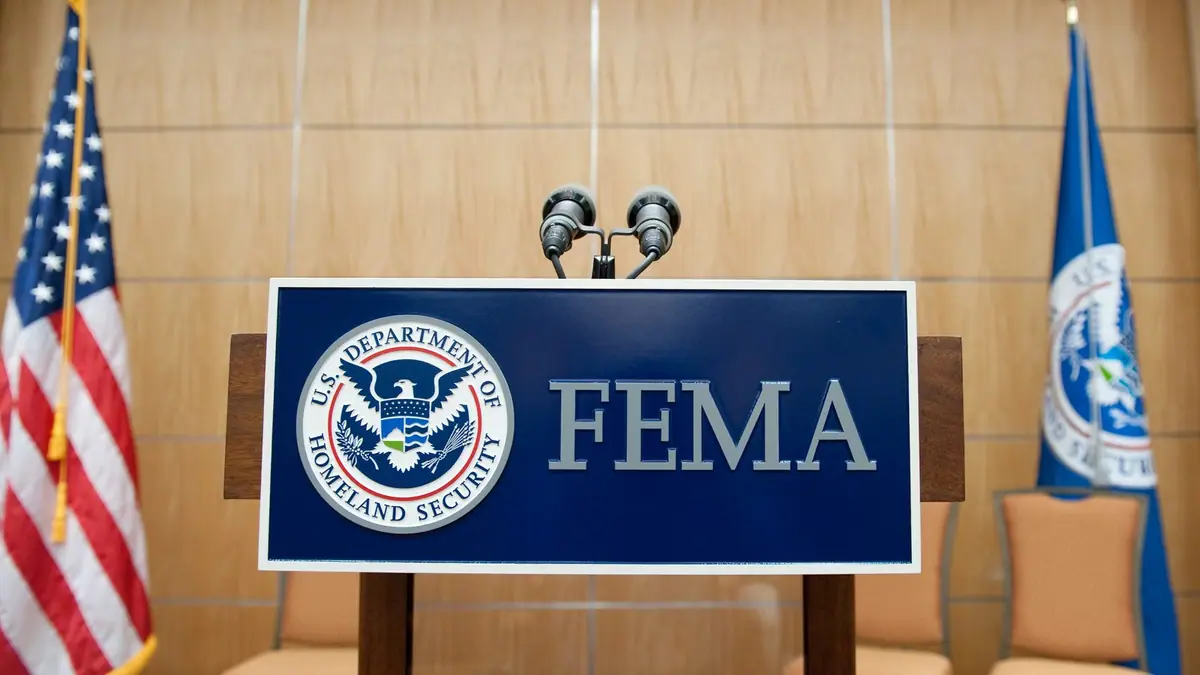
Picture credit: Photo: Bill Koplitz/FEMA (public domain)