Google's Pixel Tag is on sale for $29.99, or $99.99 for four. See which Android phones get precision finding, how it differs from AirTag and what is missing.
Google's Pixel Tag tracker is on sale now in the U.S. for $29.99, or $99.99 for a four-pack, according to The Verge and TechCrunch. As of Wednesday, Nov. 11, it is Google's direct answer to Apple's AirTag for Android users, and it works with the Find Hub app. The catch is that the best features need a phone with ultra wideband, and some budget phones will not qualify.
How much is the Pixel Tag, and when can you buy it?
A single Pixel Tag costs $29.99 and a four-pack costs $99.99, which works out to about $25 each. The Verge reported the launch on Nov. 10, and TechCrunch says sales started that Tuesday. Google had said in August, at its Pixel 11 event, that the tag would arrive on Nov. 11. The two dates differ by a day, so if the Google Store shows it in stock for you, that is the answer that counts.
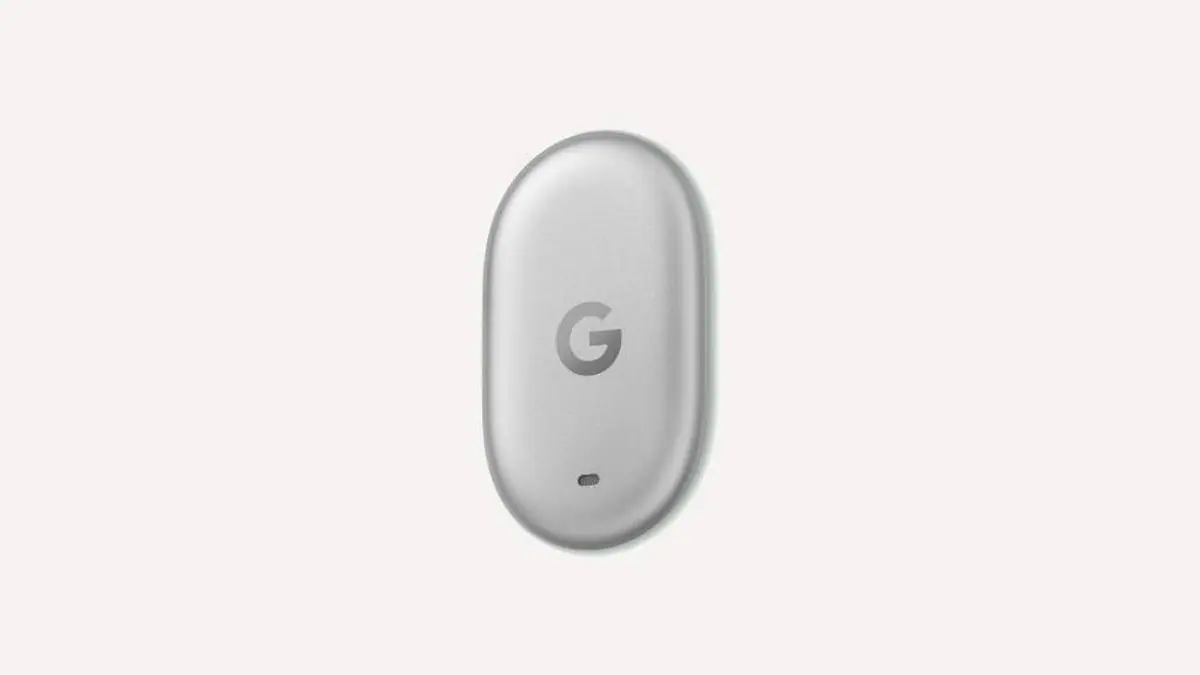
The tag comes in silver and a pale green, per TechCrunch. Bellroy is also launching keychain cases sold through the Google Store, and that is worth knowing because the Pixel Tag has no hole for a ring, The Verge notes. You will need some kind of holder to attach it to keys or a bag.
What does the Pixel Tag do?
It plugs into Google's Find Hub network, which taps into more than a billion Android devices to report a lost item's location back to you, TechCrunch says. When the tag is near you, UWB lets a compatible phone show exact distance and direction. Nearby, the tag has a built-in speaker that can chime at up to about 80 decibels, with three loudness levels in Find Hub settings.
A few details set it apart from the AirTag:
- A button. TechCrunch says that if you have lost your phone, pressing the button twice rings it. The Verge notes the button triggers a sound, unlike the AirTag.
- Sharing. Location can be shared with up to 10 people in Find Hub, TechCrunch reports.
- Lost mode. A tag in Lost mode can show your email, number and a short message to whoever finds it.
- NFC. Google did not mention NFC in August. TechCrunch says it is there, but a finder cannot tap the tag to see your contact info the way an AirTag allows. The tap opens the tag's settings instead.
Will the Pixel Tag work with your phone?
It needs Android 9 or newer and pairs with Fast Pair, according to both outlets. Precision finding is where it gets picky. The Verge says Android phones with a UWB chip show exact distance and direction, while phones that only support Bluetooth 6.0 Channel Sounding show distance only. Many budget phones lack both, so if you are not sure what your phone has, check its spec sheet before you buy a four-pack.
It does not work with iPhones. Apple's AirTag 2 is the tracker for that side, and The Verge says the Pixel Tag is priced similarly.
Specs and battery
The tag weighs 0.4 ounces. TechCrunch lists it at 1.1 inches wide, 1.8 inches tall and 0.2 inches thick, against the AirTag's 1.26 inches wide and 0.31 inches thick. It has a stainless steel body, an IP67 rating (up to 1 meter, or about 3 feet, for 30 minutes, per TechCrunch) and a user-replaceable CR2032 coin battery that Google says lasts over a year.
What is not confirmed?
We have not tested the tag, so we cannot tell you how accurate it is or how well the Find Hub network works in your area. Neither report we read says how the tag handles alerts about unwanted tracking, so we cannot speak to that. We also have not confirmed retailer stock or any Black Friday price. Google's Black Friday preview, covered in the story linked below, says deals start Nov. 19.
What we make of it
This is our analysis, not reporting. At $30 the Pixel Tag is priced right, and a four-pack at $99.99 is a better deal if a family shares keys, bags and a car. The real question is the phone in your pocket. A tracker that is great on a Pixel and merely okay on an older Android is a different purchase. If you are on a recent Pixel or Galaxy, it is an easy buy. If you are on a budget phone, wait for reviews that test it before you put four of them on your luggage.
Related reading
Picture credit: Google