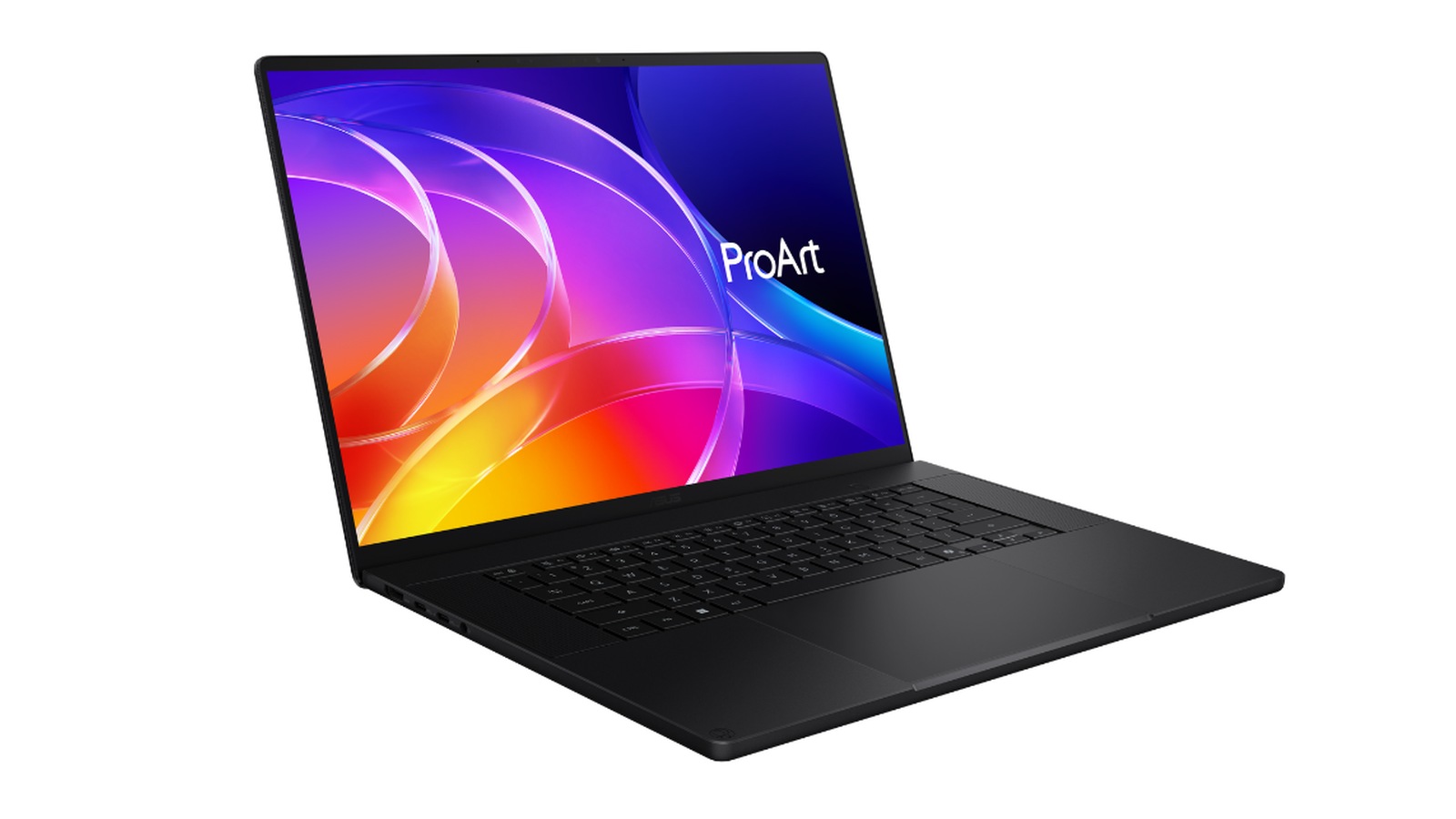
Engadget scored the ASUS ProArt P16 (H7607), the first RTX Spark laptop it tested, 8.7 out of 10, and says only AI professionals should pay up.
Engadget has reviewed the ASUS ProArt P16 (H7607), the first laptop it has tested with NVIDIA's new RTX Spark chip, and the verdict is a split one. It scored 8.7 out of 10. That score and the verdict belong to Engadget and reviewer Devindra Hardawar, not to Savvy VibeZ, which has not tested the laptop.
What the ASUS ProArt P16 (H7607) is built around
RTX Spark is a single chip that combines a 20-core Arm CPU, a Blackwell GPU and up to 128GB of unified memory, a layout Engadget compares to Apple's M-series approach. The review says it is not meant to replace Intel and AMD hardware. Engadget describes it as a new branch of PC design aimed at AI researchers and enthusiasts, sitting alongside Qualcomm's Snapdragon X machines.
The outlet praises the build. It calls the aluminum body sturdy, the 16-inch OLED screen very bright (it peaks at 1,600 nits), and the keyboard and haptic touchpad roomy. At 3.9 pounds, Engadget says, it is lighter than the 16-inch MacBook Pro at 4.7 pounds.
Where it wins and where it doesn't
Engadget's benchmarks show a mixed picture. The ProArt P16 scored 4,700 points higher than a MacBook Pro with M5 Max in Geekbench 6's GPU test and beat it in two UL Procyon AI tests. It trailed a Snapdragon X2 Elite laptop in PCMark 10 and in single-threaded CPU work, which Engadget takes as a sign that Qualcomm's CPUs are stronger. The reviewer also ran a 27-billion-parameter language model that takes up 42GB of memory with plenty of RAM left over.
Games ran well too, with Control Resonant at 70 fps at 1440p on ultra settings with frame generation, according to the review. But because the chip is Arm-based, most games run through Microsoft's Prism emulator, which costs some performance and may cause problems in niche titles. Battery life was ten hours and 51 minutes in PCMark 10, which Engadget calls well short of the 15-plus hours seen on many premium laptops.
The price is the catch
The ProArt P16 starts at $2,800. Engadget's review unit, with 128GB of RAM, costs $7,000. The outlet also lists a case that shows fingerprints badly as its main physical complaint, and it points to a similarly sized ASUS Zephyrus G16 with an RTX 5070 GPU at $2,124 as the better buy for gamers.
Engadget's conclusion is that the laptop is impressive but only tempting for AI professionals right now, and that it would wait a year before recommending RTX Spark to general users or gamers.
Our read, as analysis and not a test result: a review unit with 128GB of RAM is the top of the range, so most buyers would be looking at a cheaper configuration that Engadget did not test. The headline score is worth reading alongside that caveat.
Picture credit: ASUS (product image)