Chiricahua National Monument in Arizona was designated the 64th US national park on October 20. Here's what visitors should know.
The US has a new national park, the first in nearly six years. Chiricahua National Monument in southeastern Arizona became the country's 64th national park on October 20, 2026, according to Condé Nast Traveler, after President Trump signed the Chiricahua National Park Act.
The "Wonderland of Rocks"
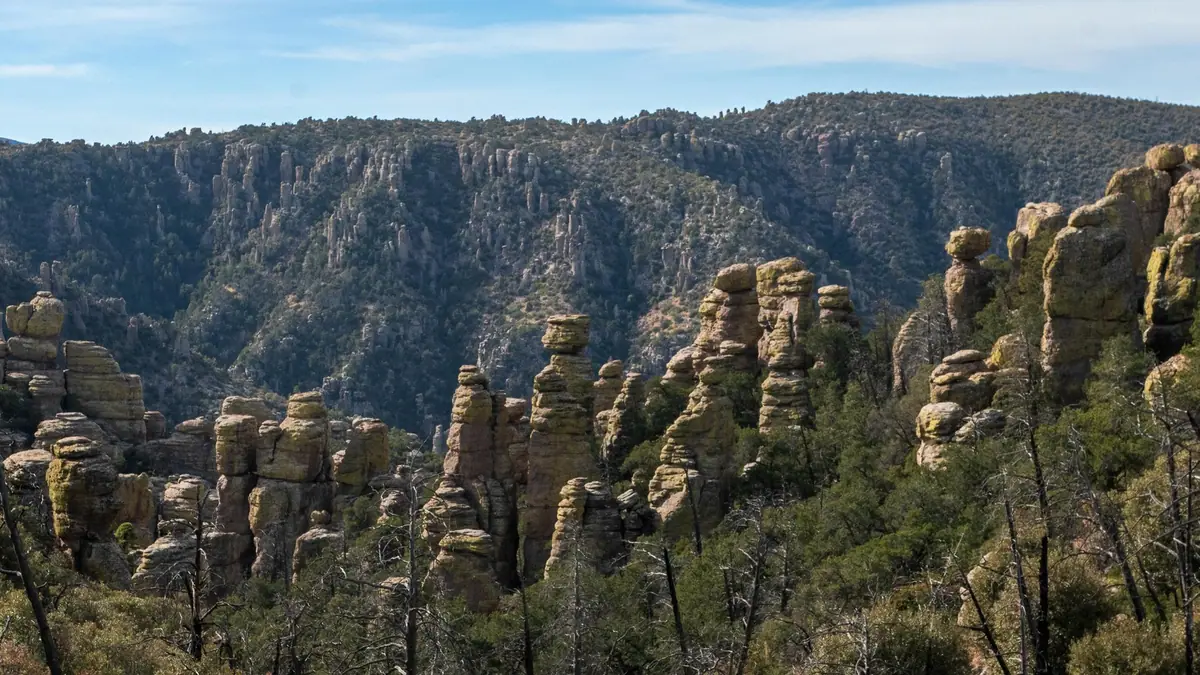
Condé Nast Traveler says the area earned its nickname from towering rock spires and odd balanced formations left behind by a volcanic eruption roughly 27 million years ago. It was first protected as a national monument in 1924. The National Park Service describes the park as a place of rhyolite pinnacles, balanced rocks and mountain scenery between the Sonoran and Chihuahuan deserts, with ties to Indigenous peoples, Apaches, Buffalo Soldiers, ranchers and the Civilian Conservation Corps.
The park covers roughly 12,000 acres, per the magazine, and the habitat ranges from grassland and desert scrub to pine woodland. Condé Nast Traveler lists almost 200 bird species, more than 70 mammal species and 46 reptile species. It is also an international dark sky park.
What changes for visitors
Very little, at least for now. The magazine notes that the park was already protected, so the main differences are the name and new signage. Camping, hiking and the scenic drive carry on as before. The Park Service's own fees page says Chiricahua has no entrance or parking fees.
The park has more than 17 miles of hiking trails, plus the Bonita Canyon Scenic Drive, which leads to Massai Point, Echo Canyon and Sugarloaf. Visitors can also see the Faraway Ranch historic district, where Swedish immigrants lived in the late 1800s. Camping is available at Bonita Canyon Campground.
Getting there
This is not a park you drop into on the way to somewhere else. Condé Nast Traveler says the nearest city is Willcox, Arizona, about 30 to 45 minutes away by car, and Tucson, where most out-of-state visitors will likely fly in, is about two hours off. Lodging nearby is limited, with small towns such as Bisbee, Douglas, Portal and Bowie spread across a 100-mile radius. Plan the drive from wherever you sleep, because it will likely be a long one.
The magazine also points to what usually follows a national park upgrade. Citing a 2018 report from the research nonprofit Headwaters Economics about White Sands, it says parks tend to draw more visitors than monuments, which means more spending and overnight stays, and potentially more crowds, traffic and development in nearby towns.
That is a forecast and not a certainty, and Chiricahua is remote enough that a sudden rush looks unlikely in the short term. Our view, as analysis: if the rock formations are on your list, a quiet midweek visit before the new status spreads is the sensible bet.
Picture credit: Photo: National Park Service