DoorDash agreed Oct. 29 to buy Instacart for $17 billion, or $65 a share. Closing is not expected until late 2027 or 2028, pending antitrust review.
DoorDash has agreed to buy Instacart for $17 billion, according to TechCrunch and Engadget. The companies announced the deal Thursday, Oct. 29. If regulators allow it, the two biggest U.S. grocery delivery apps would end up under one owner.
What was announced
TechCrunch reports DoorDash will pay $65 per Instacart share, and that both boards have approved the deal. DoorDash plans to keep the Instacart brand, its app and its enterprise technology products. The two will run as separate companies until the transaction closes.
The timeline is long. TechCrunch says the deal is expected to close toward the end of 2027 or in the first half of 2028, so nothing changes in your app this holiday season.
The pitch to grocers
DoorDash says Instacart's grocery technology could help more retailers build their own online ordering and advertising businesses. Stores could also tap DoorDash's fulfillment network for lower-cost delivery. DoorDash CEO Tony Xu said in the companies' release that grocery is "one of the hardest things to get right online," according to TechCrunch. Instacart CEO Chris Rogers called the combination a chance to do more for retail partners, shoppers and customers.
Background and open questions
Engadget notes that Instacart's sale had been the subject of earlier reports from The Information and The Wall Street Journal. TechCrunch adds that Bloomberg previously reported Instacart held talks with Uber, which walked away. Engadget also says DoorDash pitched Instacart before, in 2021 at a higher valuation, and those talks reportedly ended over price and antitrust worries.
Antitrust is the big unknown. Engadget describes the deal as combining the two largest grocery delivery platforms in the U.S., "assuming it isn't stymied by antitrust scrutiny." Neither report says what, if anything, the companies expect to change for prices or fees.
Our take
For shoppers, the practical question is fees. Two rivals chasing the same customers has kept promotions and free-delivery thresholds in play, and a merger can remove that pressure. That is our read, not something either company has said. Expect regulators to look closely at how much of the market two apps would hold, and expect the long closing window to be partly about that review.
For grocers, the deal is more interesting. Instacart's pitch is its grocery technology and retailer relationships, and DoorDash is clearly betting that selling software and ads to them is a bigger business than delivering the bags.
Related reading
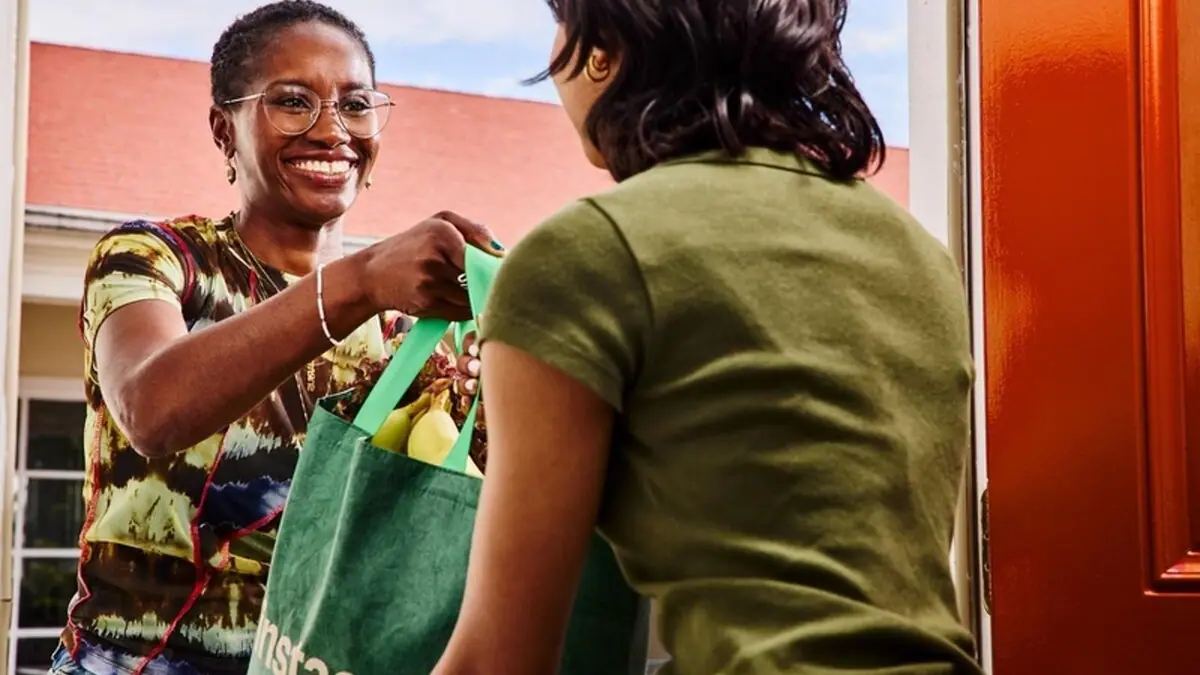
Picture credit: Instacart